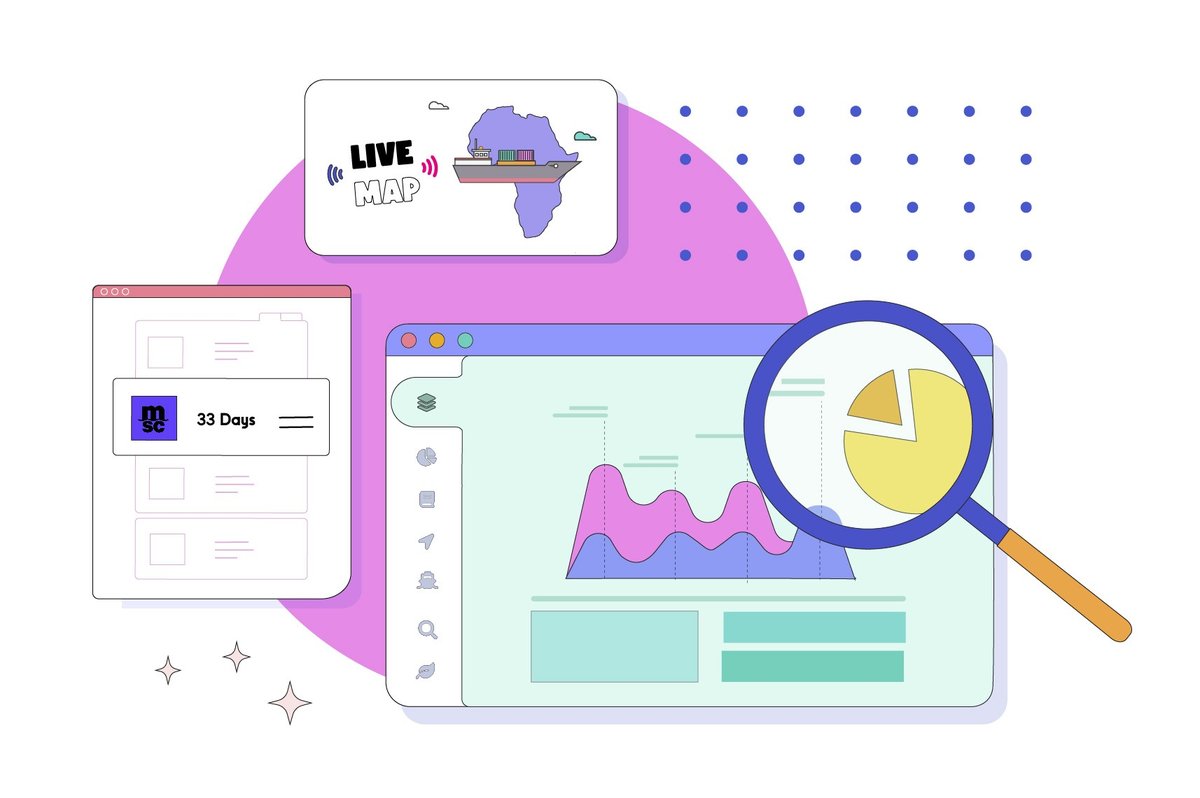
The modern business world moves at lightning speed, and to keep pace, you need more than just a vague idea of where your goods are. You need granular, real-time insight into every single hand-off, every mile traveled, and every condition encountered. This isn't just about tracking a package; it’s about achieving true Supply Chain Visibility & Real-Time Tracking, transforming opaque journeys into transparent, trustworthy pipelines. Without it, you're navigating a complex, global economy blindfolded, leaving your business vulnerable to everything from stockouts to regulatory fines.
Imagine knowing not just that your shipment left port, but its exact location at this very second, the temperature inside the container, and even the carbon footprint of its journey. That's the power we're talking about – a power that builds unwavering trust with customers, ensures ironclad compliance, and drives efficiency you didn't think possible.
At a glance: What you’ll learn about Supply Chain Visibility & Real-Time Tracking
- It's more than just tracking: It’s about a continuous, live view of goods, data, and processes from raw materials to final delivery.
- Key technologies are the backbone: IoT sensors, blockchain, and Real-Time Location Systems (RTLS) provide the data and security needed.
- Benefits are huge: Expect increased transparency, optimized inventory, enhanced compliance, proactive risk management, and improved customer trust.
- Challenges are real, but manageable: Resource investment, data security, and system integration require strategic planning.
- Future-proofing your business: Emerging trends point to greater IoT adoption and end-to-end blockchain integration across multi-tiered supply chains.
- Practical application is key: Real-time monitoring helps with everything from food safety to proving sustainable sourcing.
Why Your Business Needs to See Beyond the Horizon
In today's interconnected yet increasingly complex global economy, simply knowing where your products should be isn't enough. Regulatory pressures are mounting, consumer demand for ethical sourcing is skyrocketing, and the smallest disruption can send shockwaves through your entire operation. This is why Supply Chain Visibility (SCV) and Real-time Tracking (RTT) aren't just buzzwords; they're essential tools for survival and growth.
They offer a continuous, live feed into every aspect of your supply chain, from the origin of raw materials to the moment a product reaches its final destination. This means instant, accurate insights into inventory levels, shipment statuses, environmental conditions (like temperature or humidity), and crucially, the compliance status of your goods. It’s about moving from reactive problem-solving to proactive, informed decision-making.
The Technologies Powering a Transparent Future
Achieving true visibility isn't magic; it's a sophisticated interplay of cutting-edge technologies. These tools collect, secure, and analyze vast amounts of data, transforming guesswork into certainty.
Internet of Things (IoT): The Eyes and Ears of Your Supply Chain
Think of IoT devices as millions of tiny sensors scattered throughout your supply chain, each one constantly whispering critical information. These aren't just futuristic gadgets; they're the everyday heroes collecting real-time data on everything from the location of goods to their temperature, humidity, and overall condition.
- Sensors: Attached to products, pallets, or containers, they detect environmental changes or movement.
- RFID tags: These allow for rapid, automated identification and tracking of items without direct line of sight.
- Beacons: Small, low-cost devices that transmit signals, helping pinpoint items within a localized area.
By deploying IoT, businesses gain enhanced traceability, optimize inventory management, and monitor shipments with unprecedented precision. This helps minimize common risks like stockouts, spoilage, or the outright loss of goods.
Blockchain: The Unbreakable Ledger of Trust
Imagine a digital notebook where every entry is timestamped, cryptographically secured, and impossible to alter once written. That's blockchain. It creates a secure, decentralized, and tamper-proof ledger that meticulously records every transaction and event, from the moment a raw material is harvested to its final shipment.
Blockchain isn't just for cryptocurrencies. In the supply chain, it drastically increases transparency, combats fraud, ensures data integrity, verifies supplier accountability, and streamlines cumbersome documentation processes. Each participant on the chain adds to the record, creating an unassailable history for every product.
Real-Time Location Systems (RTLS): Pinpoint Precision Indoors
While GPS handles outdoor tracking, RTLS takes over inside. These systems provide centimeter-precise tracking of inventory, equipment, and assets within large, complex environments like warehouses or manufacturing plants.
With RTLS, you can:
- Optimize tour planning for internal transport vehicles.
- Enhance capacity utilization by knowing exactly where everything is.
- Minimize unproductive workflows by eliminating time spent searching for items.
- Improve overall warehouse efficiency by providing unparalleled transparency of materials, goods, and operating resources.
The Undeniable Advantages of Seeing Everything, Everywhere
Investing in enhanced visibility and real-time tracking isn't merely an upgrade; it's a strategic move that delivers a cascade of benefits across your entire operation.
Increased Transparency: Building Trust, Eradicating Doubt
One of the most profound impacts of SCV and RTT is the sheer clarity they provide. You gain a clear, continuous view of all supply chain activities, ensuring the authenticity of goods and significantly reducing the risk of fraud through tamper-proof records. This level of openness resonates deeply with consumers and regulators alike.
Improved Inventory Management: Every Item Accounted For
Ever wonder where a specific pallet ended up or how much stock you really have? Real-time data on the precise location and status of materials drastically improves inventory accuracy. This means less waste from spoilage or obsolescence, optimized stock levels, and ultimately, a more valuable and efficient warehouse operation.
Enhanced Compliance: Navigating the Regulatory Minefield with Ease
The regulatory landscape is constantly evolving, with increasing demands for ethical sourcing and environmental responsibility. Enhanced visibility powers this compliance by continuously monitoring against strict regulations such as the EU Deforestation Regulation (EUDR), the US Uyghur Forced Labor Prevention Act (UFLPA), and critical ESG (Environmental, Social, and Governance) reporting requirements. Imagine being able to generate instant proof of deforestation-free or ethically sourced goods, significantly reducing audit risks, hefty fines, and potentially devastating market bans.
Proactive Risk Management: Spotting Trouble Before It Brews
Waiting for a problem to surface is a recipe for disaster. With AI-powered risk assessments and alerts, SCV platforms scan vast amounts of data – from supplier records to satellite imagery and country benchmarks. This allows the system to flag potential compliance issues or disruptions before they escalate, giving you the critical time needed for real-time course correction. It's about foresight, not hindsight.
Improved Communication and Customer Trust: A Clear Line of Sight for Everyone
Transparency isn't just for internal use. It facilitates greater precision in communication with all stakeholders, from your suppliers to your end customers. Providing customers with live updates on their delivery progress, or ensuring accurate compensation for farmers at the source, strengthens buyer confidence and deepens supplier relationships. When everyone is informed, trust flourishes.
Operational Efficiency and Speed: Cutting the Clutter, Accelerating Decisions
Legacy systems often mean siloed data, disconnected processes, and endless manual checks. Real-time SCV replaces these static, disjointed setups with dynamic dashboards that consolidate everything: supplier onboarding, current shipment status, and comprehensive compliance records. This dramatically cuts down processing time, reduces costly rework, and enables faster, more informed decision-making across the board. In a fast-moving market, this speed is a true competitive advantage. This seamless flow of information is akin to non stop forwarding, ensuring that your goods move through the supply chain with minimal friction and maximum speed.
Drives Sustainability: Walking the Talk
Today's consumers and regulators demand genuine commitment to sustainability, not just lip service. Enhanced visibility links certifications and geolocation data directly to your sustainability goals. It enables real-time monitoring of environmental changes, like deforestation near sourcing areas, and provides undeniable proof of compliance with sustainable practices. This isn't just about reporting; it's about actively managing and improving your environmental impact.
The Hurdles: What to Consider Before Diving In
While the benefits are compelling, integrating these advanced visibility and tracking solutions isn't without its challenges. Understanding them upfront helps you plan more effectively.
Resource Constraints: The Investment Barrier
Implementing sophisticated SCV and RTT systems often requires significant investment in both financial capital and skilled personnel. For smaller organizations, these costs can seem prohibitive, making careful budgeting and phased implementation crucial.
Data Security and Transparency: A Double-Edged Sword
While blockchain offers unparalleled security and transparency, its full effectiveness hinges on universal adoption and participation across all supply chain partners. Building a robust framework for data collection, processing, and sharing that respects privacy while ensuring integrity is a complex undertaking.
IoT Deployment and Monitoring: It's Not Just Plug and Play
Harnessing IoT technology effectively goes beyond simply buying sensors. It requires developing the internal capabilities to manage, monitor, and interpret the continuous stream of data. Without proper deployment and ongoing management, you risk inconsistent data and compromised decision-making.
System Alignment and Integration: Getting Everyone on the Same Page
Many supply chains involve multiple partners, each with their own systems and processes. Achieving seamless visibility demands prioritizing collaboration, establishing common data standards, and adopting standardized protocols to enhance data accuracy and accessibility across the entire network.
Balancing Innovation and Practicality: Don't Just Chasing the Newest Tech
It's easy to get swept up in the latest technological advancements. However, organizations must carefully consider their specific operational needs, align technology adoption with available resources, and ensure seamless integration into existing workflows. The goal isn't just to be innovative, but to be effective.
What's Next? Emerging Trends Shaping the Future
The evolution of supply chain visibility is dynamic, with new advancements constantly pushing the boundaries of what's possible.
- Growing IoT Adoption: The global IoT market in logistics is on a rapid growth trajectory, projected to reach $41.8 billion by 2033, growing at a compound annual growth rate (CAGR) of 12.9% from 2023 to 2033. This indicates a strong industry-wide movement towards more sensor-driven data.
- Enhanced End-to-End Visibility: The focus is increasingly on extending real-time tracking from the very origin of raw materials all the way to final delivery, spanning complex, multi-tiered supply chains.
- Blockchain for Multi-Tiered Supply Chains: Leveraging blockchain's transparency, distributed nature, and immutability will become even more critical for ensuring data integrity and verifiable supplier accountability across intricate global networks.
- Advanced RTLS Deployment: Further deployment of RTLS within large warehouses is expected to improve tour efficiency, optimize capacity utilization, and refine inventory management, all while providing customers with precise, real-time updates on internal movements.
The Core Features of a High-Performing SCV Platform
When evaluating solutions, look for platforms that offer these foundational capabilities to truly transform your supply chain.
- Centralized Supplier Data + Geolocation: A shared system that houses detailed supplier profiles, relevant certifications, and GeoJSON farm coordinates. This allows you to trace goods back to their exact geographic origins with precision.
- IoT + Blockchain for Tamper-Proof Records: The synergy here is powerful. IoT sensors provide the raw, real-time data, while blockchain acts as the secure vault, locking every transaction into an unalterable digital ledger. This combination creates trusted, verifiable compliance records.
- AI-Powered Risk Assessments and Alerts: Beyond just data collection, smart platforms use AI to scan vast datasets, proactively flagging potential compliance issues, such as suspicious deforestation activities near sourcing areas, allowing for immediate intervention.
- Automated Reporting: Say goodbye to manual data compilation. These platforms transform collected data into ready-to-submit formats for critical regulatory filings, such as Due Diligence Statements (DDS) for EU TRACES, and comprehensive ESG disclosures.
- End-to-End Transparency: The ultimate goal. A continuous, tamper-proof digital record that chronicles the entire journey of a product, from the farm or factory to the importer, visible to authorized parties at every step.
Real-Time Monitoring in Action: Practical Use Cases
Let's look at how SCV and RTT play out in the real world, addressing specific industry needs.
1. Traceability for Food Safety: From Farm to Fork, Without Compromise
Food safety is non-negotiable. With blockchain or IoT-enabled tracking systems, every step from harvesting to processing is meticulously logged. This ensures compliance with stringent regulations (e.g., FDA Food Safety Modern Act) and, critically, enables rapid tracing of contamination sources in the event of a recall, protecting consumers and brands alike.
2. Ensuring Sustainable Practices: Proof in Every Pixel
For industries committed to environmental stewardship, real-time monitoring is a game-changer. Satellite imagery, remote sensing technologies, and IoT sensors continuously monitor environmental changes – land use, deforestation, carbon footprint – in real time. This not only ensures compliance with sustainability standards like the EUDR but also provides concrete, verifiable evidence of sustainable practices.
3. Compliance with Organic Certification Standards: A Digital Audit Trail
Organic certification requires rigorous adherence to specific farming and production methods. IoT devices and sensors can monitor critical parameters like soil health, pesticide use (or lack thereof), and crop growth. Simultaneously, blockchain records each stage of production, creating a transparent, immutable audit trail that certification bodies can trust completely.
4. Fair Weighing and Enhanced Traceability in Agricultural Procurement: Empowering Farmers
In agricultural supply chains, fair compensation and accurate data are vital. Bluetooth-enabled weighing scales capture produce weight in real time, transmitting it directly to the supply chain platform. Dynamic QR codes can then be generated and linked to the product, containing essential data like weight, origin, date, and quality. This ensures accurate farmer compensation, builds trust, and provides continuous, granular traceability for every single batch of produce.
Making the Leap: How to Implement Your Own Visibility Strategy
Implementing robust supply chain visibility isn't an overnight project, but a strategic journey. Here’s a roadmap to get you started.
- Assess Your Current State:
- Map your entire supply chain: Identify all tiers, partners, and critical hand-off points.
- Pinpoint visibility gaps: Where do you lose sight of your goods, data, or processes? What are your biggest pain points (e.g., late deliveries, inventory discrepancies, compliance failures)?
- Identify key stakeholders: Who needs this information? Operations, compliance, customer service, executive leadership?
- Define Clear Objectives:
- What specific problems are you trying to solve? (e.g., "Reduce compliance audit time by 50%", "Improve on-time delivery by 15%", "Eliminate 90% of lost shipments").
- How will you measure success? Set clear KPIs (Key Performance Indicators).
- Research and Pilot Technologies:
- Don't try to implement everything at once. Start with the technologies that address your most pressing needs (e.g., IoT for condition monitoring, blockchain for specific high-value goods).
- Run small-scale pilot projects with a trusted partner to test effectiveness and refine your approach.
- Prioritize Data Standards and Integration:
- Establish common data formats and protocols with your partners. This is crucial for seamless information flow.
- Look for solutions that offer open APIs (Application Programming Interfaces) to integrate with your existing ERP, WMS, and other systems.
- Focus on Partner Collaboration:
- Visibility is a shared responsibility. Engage your suppliers, logistics providers, and other partners early in the process.
- Explain the benefits for them – not just for your organization – to secure their buy-in and cooperation.
- Start Small, Scale Smart:
- Begin with a critical product line or a specific segment of your supply chain.
- Learn from your initial implementation, optimize, and then gradually expand your visibility initiatives across your entire network.
Common Questions About Supply Chain Visibility & Real-Time Tracking
What's the difference between "tracking" and "visibility"?
Tracking typically refers to knowing the location of a shipment at specific points in time (e.g., "left warehouse," "at port," "out for delivery"). It's a snapshot. Visibility is a much broader concept; it's a continuous, end-to-end, live view of not just location, but also status, condition, and compliance data across all tiers of the supply chain. Tracking is a component of visibility, but visibility provides the full context and story.
Is real-time tracking only for large enterprises?
Absolutely not. While large enterprises often have more complex supply chains and larger budgets, scalable and affordable SCV and RTT solutions are increasingly available for small and medium-sized businesses (SMBs). The benefits—reduced risk, improved efficiency, and enhanced customer trust—are universal, regardless of company size.
How quickly can I expect to see ROI from SCV investments?
Return on Investment (ROI) varies widely depending on the complexity of your supply chain, the specific solutions implemented, and your initial pain points. However, many companies report significant improvements within 12-24 months through reduced operational costs, minimized losses, improved customer satisfaction, and avoided compliance penalties. The key is to start with clear objectives and measure progress diligently.
What are the biggest mistakes to avoid during implementation?
- Ignoring partner buy-in: Your supply chain partners are critical. Don't spring a new system on them without their input and cooperation.
- Trying to do too much too soon: Start small, prove value, then scale.
- Underestimating data integration challenges: Plan thoroughly for how new systems will talk to your existing ones.
- Focusing only on technology, not process: Technology is an enabler, but you also need to adapt your internal processes to leverage it effectively.
- Neglecting data security and privacy: This is paramount. Ensure your solutions comply with all relevant regulations.
See Clearly, Lead Confidently
The future of supply chain management isn't just about moving goods; it's about moving information with unparalleled speed and accuracy. Embracing Supply Chain Visibility & Real-Time Tracking empowers your business to operate with transparency, build unbreakable trust with stakeholders, and navigate the complexities of global commerce with confidence. It transforms potential pitfalls into opportunities for proactive management, allowing you to not just react to the market, but to lead it. The time to open your eyes to every link in your chain is now.